Natural Menopause Sleep Support: What Actually Works for Restful Nights
I remember the first time I woke up drenched, heart pounding, at 3 a.m. during peri-menopause. It was not a hot flash that startled me, but the sheer frustration of being awake again, night after night. Sleep disruptions during menopause are not just about feeling tired the next day. They affect mood, concentration, and even the way we handle stress. Over the years, I have worked with many women trying to navigate this phase, and the search for real menopause sleep support is often what brings them to my door.
There is a lot of noise out there. Pills, teas, gadgets, and promises of instant relief. But what I have seen, both in my own experience and in the women I have talked to, is that effective sleep support during menopause requires a layered approach. It is about understanding what is happening to your body, then choosing strategies that address the root causes rather than just the symptoms.
Why Menopause Messes with Your Sleep
To find the right kind of menopause sleep support, it helps to know what is actually going on. The main driver is estrogen decline. Estrogen does not just regulate the menstrual cycle; it also influences body temperature, mood, and the parts of the brain that control sleep. When estrogen drops, the body's thermostat goes haywire. This is why hot flashes and night sweats become so common. A sudden spike in core temperature can jolt you out of deep sleep, and once you are awake, falling back asleep can feel impossible.
Progesterone, another hormone that drops during peri-menopause and postmenopause, has a calming effect on the brain. It helps you feel drowsy at night. As progesterone levels fall, many women find it harder to settle down at bedtime. This combination of estrogen decline and progesterone drop explains why sleep quality often takes a nosedive in midlife.
Non-Hormonal Approaches That Help
Not every woman wants or can use hormone therapy. For some, it is not an option due to health history. For others, it is a personal choice. That is where non-hormonal therapy comes into play. There are several supplements and lifestyle adjustments that support sleep without introducing hormones into the body.
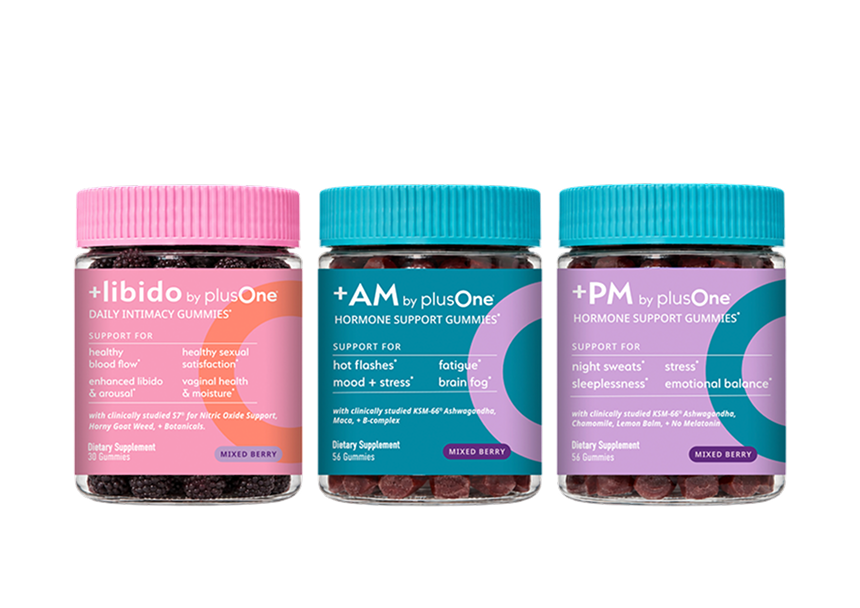
Melatonin and Magnesium Glycinate
Melatonin is probably the first thing people think of for sleep. And yes, it can help reset the circadian rhythm, especially if you are traveling or dealing with shift work. But for menopause sleep support, I have seen better results with magnesium glycinate. Magnesium helps relax the nervous system and can reduce muscle tension. Many women report that taking magnesium glycinate before bed leads to deeper, more restorative sleep. It is not a knockout pill, but it supports the body's natural sleep processes.
One thing I tell women is to start with a low dose of melatonin, around 0.5 to 1 mg, and pair it with magnesium glycinate. Higher doses of melatonin can sometimes cause grogginess the next day or vivid dreams that disturb sleep. A gentle combination often works better than a single strong supplement.
Herbal Helpers: Ashwagandha, L-Theanine, and Valerian Root
Ashwagandha is an adaptogen that helps the body handle stress. Since stress and poor sleep feed off each other during menopause, ashwagandha can be a good addition. It lowers cortisol levels, which tend to spike in the evening for many women, making it hard to wind down. L-theanine, an amino acid found in green tea, promotes relaxation without sedation. It works well for those who feel wired at bedtime but do not want to take a heavy sleep aid.
Valerian root has a longer history of use for sleep, but it can interact with certain medications and may cause vivid dreams. I recommend trying it on a night when you do not have an early morning. Some women love it, others find it too strong. The key is to test one thing at a time and see how your body responds.
Phytoestrogens and Herbal Allies
For women looking for plant-based compounds that mimic estrogen's effects, phytoestrogens can be helpful. Red clover and black cohosh are two popular sources. Black cohosh, in particular, has been studied for its ability to reduce hot flashes and night sweats, which in turn helps sleep. Red clover also contains phytoestrogens and can support overall menopause relief. I have seen women who use these herbs notice fewer night wakings, though the effects can take a few weeks to appear.
It is worth noting that not everyone responds to phytoestrogens. Some women find that red clover or black cohosh causes digestive upset or interacts with other conditions. As with any supplement, check with a healthcare provider if you have concerns, especially if you have had hormone-sensitive issues in the past.
Sleep Hygiene That Actually Works for Midlife
Supplements can only do so much if your sleep environment and habits are working against you. Sleep hygiene is a term that gets thrown around a lot, but for menopause, it needs a few tweaks.
First, cool the room down. Night sweats are bad enough without a warm bedroom. Aim for a temperature around 65 to 68 degrees Fahrenheit. Use a fan if you need one. Second, consider your bedding. Natural fibers like cotton or bamboo wick moisture better than synthetics. I have had women tell me that switching to a cooling mattress pad made a bigger difference than any pill they tried.

Third, be mindful of what you eat and drink before bed. Alcohol, especially wine, can trigger hot flashes and disrupt sleep quality. Caffeine late in the day can keep you wired. A small snack with complex carbs and a little protein, like a banana with almond butter, can help stabilize blood sugar overnight.
Fourth, create a wind-down ritual that signals to your brain that it is time to sleep. This might be a warm bath, some gentle stretching, or a few minutes of deep breathing. The goal is to lower your heart rate and shift your nervous system into rest mode.
When to Look for Extra Menopause Sleep Support
Sometimes, despite all the right habits, sleep still eludes you. That is when a targeted supplement or a non-hormonal therapy can fill the gap. The phrase "menopause sleep support" often refers to products that combine several of the ingredients I mentioned, like magnesium, l-theanine, and valerian root, into one formula. For women who do not want to take multiple pills, a blend can be convenient.
But I caution against grabbing just any sleep aid off the shelf. Many over-the-counter sleep products rely on antihistamines like diphenhydramine, which can cause dry mouth, constipation, and a hangover effect the next day. They are not designed for long-term use. Look for products that use the ingredients I listed, and that are free from common allergens and synthetic fillers.
Vaginal dryness is another piece of the puzzle that often gets overlooked. It can make you uncomfortable during the day and affect your sleep indirectly. If you are waking up because of discomfort, addressing that with a non-hormonal moisturizer can improve your overall rest.
The Bigger Picture: Sleep Quality Over Quantity
One mistake I see women make is obsessing over the number of hours they sleep. They think if they get eight hours, they should feel great. But sleep quality matters more than duration. If you are waking up multiple times, even for a few seconds, your brain does not cycle through the restorative stages properly. That is why a supplement or habit that reduces night wakings can be more valuable than one that just makes you fall asleep faster.
Your circadian rhythm also plays a role. Exposure to natural light in the morning helps set your internal clock for the day. Try to get outside for at least 15 minutes soon after waking. At night, dim the lights an hour before bed. This simple shift can make a big difference for women who struggle with falling asleep.

Putting It All Together
There is no single magic bullet for menopause sleep support. What works for one woman may not work for another. But from what I have seen, the women who do best are the ones who take a patient, experimental approach. They try one change at a time, pay attention to how their body responds, and adjust as needed.
If you are in peri-menopause or postmenopause and sleep is a struggle, start with the basics. Check your sleep hygiene, then consider a gentle supplement like magnesium glycinate or l-theanine. If night sweats are the main issue, look into black cohosh or red clover. And if nothing seems to help, do not hesitate to talk to a healthcare provider who understands menopause.
The goal is not to achieve perfect sleep every night. That is unrealistic for anyone, at any age. The goal is to find a rhythm that leaves you feeling rested enough to enjoy your days, without sleep becoming a source of constant worry. With the right menopause sleep support, that is absolutely possible.